


Sober and Social: Inside 2025’s Non-Alcoholic Beverage Revolution

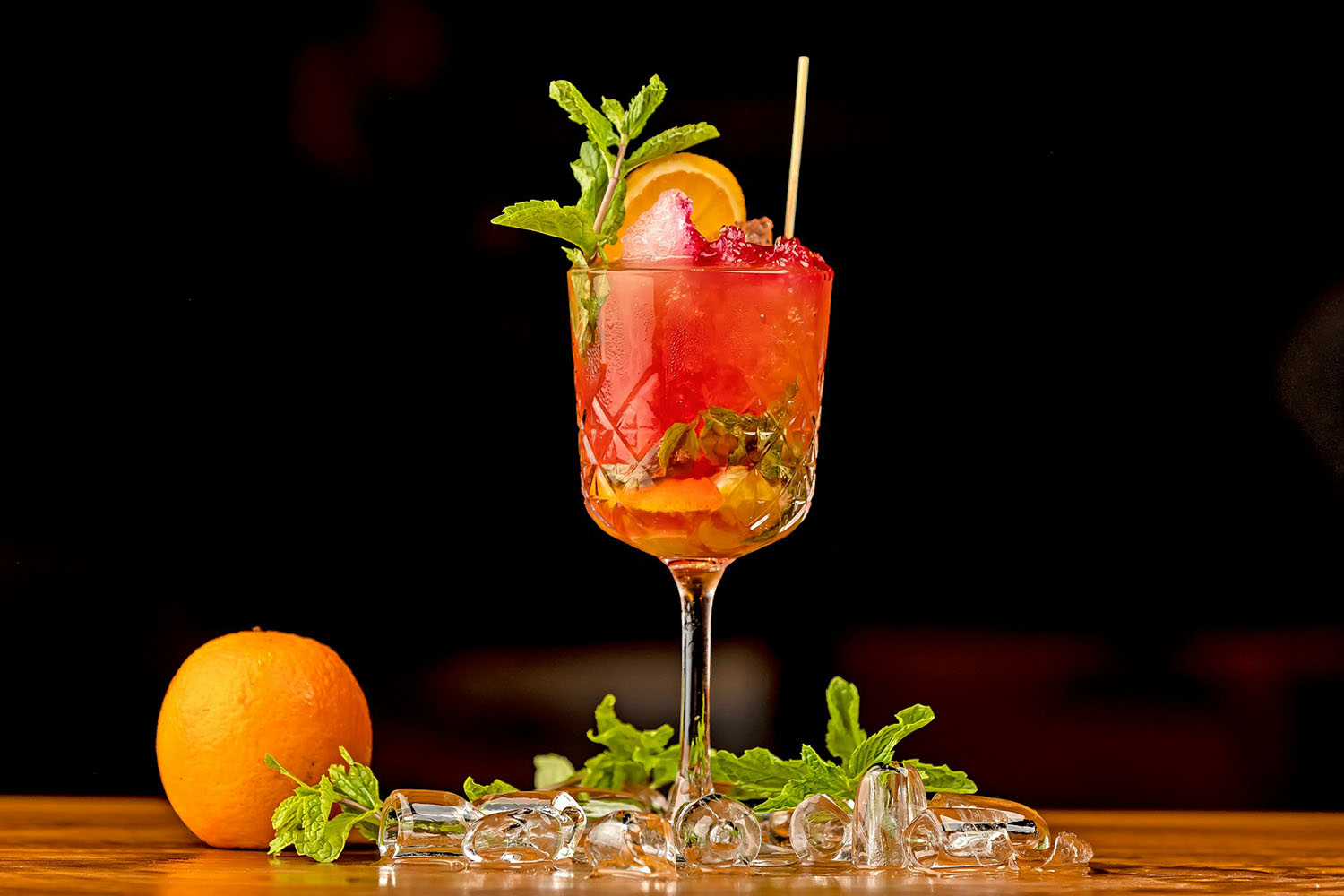
Why Non Alcoholic Drinks Are Booming in 2025
The tides of social life are shifting. In 2025, non-alcoholic beverages are no longer afterthoughts they’re headline attraction. Driven by evolving tastes, wellness priorities, and creative innovation, the zero-proof category now offers compelling flavor, community, and ceremony. Here’s a deep dive into the ten forces powering this cultural and culinary revolution.
1. Lifestyle-Driven Wellness
Wellness culture has evolved beyond gym selfies and green smoothies it now emphasizes overall clarity, energy, and mental health. Non-alcoholic beverages fit this philosophy perfectly. Without the neurological and physical side-effects of alcohol, people wake happy, sharp, and ready to seize the day.
These drinks allow for socializing without sacrifice no hangovers, no clouded mornings. They empower more intentional living; whether you’re networking, celebrating, or just catching up, you’re present, clear-headed, and fully engaged.
Moreover, sobriety doesn’t signal restriction; it reflects mindfulness. In 2025, choosing zero-proof isn’t denial, it’s design. Beverage options are crafted to nourish as much as refresh, reinforcing the narrative that well-being and social connection can thrive together.
2. Elevating the Mocktail Experience
Gone are the days of sugary, flavorless “virgin” options. Today’s non-alcoholic drinks are rich, layered, and exciting—born of skilled mixology and inspired by terroir, botanicals, and fermented nuances.
Expect cocktails without compromise: sparkling ginger kombucha, spice-infused zero-proof spirits, cold-pressed shrub sodas, and bitters-forward botanical aperitifs. These drinks aren’t substitutes they’re stand-alone stars with complexity and character.
Design-driven mocktails now showcase bright garnishes, artisan glassware, and thoughtful lighting, turning each sip into an experiential moment. The craftsmanship behind the drink is as celebrated as the company you enjoy it with.
3. Better Inclusivity in Social Settings
Non-alcoholic drinks have shattered the boundaries of who can fully participate in celebration. For expectant parents, designated drivers, sober-curious folks, or those avoiding alcohol for religious reasons, every toast now includes them, equally.
This contributes to a more open, thoughtful, and respectful social environment. A culture that chooses non-alcohol doesn’t judge it includes. You’ll find more people joyfully raising zero-proof flutes, because everyone’s welcome.
As a result, gatherings feel richer, more communal, and emotionally safer. Connection grows deeper when it isn’t clouded by external substances.
4. Innovation from Beverage Entrepreneurs
The 2025 non-alcoholic scene is buzzing with creativity from startups and established drinks houses. Using distillation methods, botanical extracts, and fermentation tech, modern drinks echo sophisticated flavor without spirits.
Expect boutique offerings like oak-aged non-alcoholic whiskey alternatives, sparkling superfruit tonics, and usably bitter yet alcohol-free tonics. These aren’t just alcohol-adjacent they’re new flavor frontiers.
This startup energy infuses the entire category with deserving prestige. Home drinkers feel adventurous again, and mixologists feel empowered to craft in new directions. In effect, sober drinks now engage as artistically as any cocktail.
5. Conscious Drinking Trends
Where once abstainers were a minority, today “mindful drinking” is mainstream. People enjoy the ritual and flavor of drinks without the cloud of alcohol. The movement is powered by mental health awareness, fitness goals, and societal shifts toward sustainable self-care.
Sober curiosity peaked early, but has matured into sophisticated expectation. Consumers demand transparency: what’s in the drink, where it’s sourced, and how it’s made. Brands that honor this by spotlighting ingredients, origin stories, and rituals build elevated trust.
Progressive hosts are stocking pantry-worthy blends not only for themselves, but to honor diverse guest needs. Sobriety sticks resonate in more social scenes, and zero-proof liquor bars now mirror full bars in craft and flair.
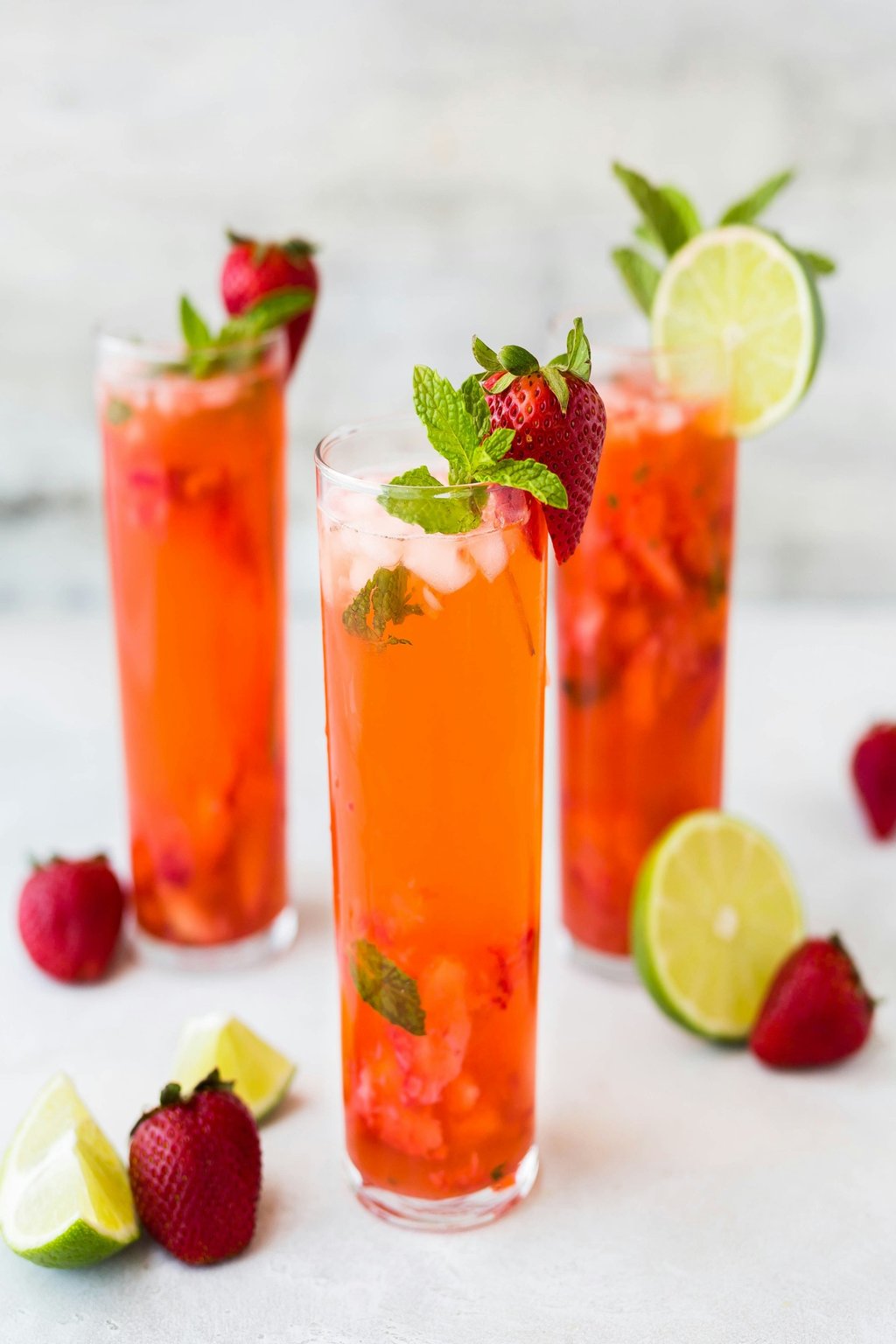
6. Accessible Hosting & Social Creativity
Hosting sober-friendly gatherings no longer means ice tea or soda. Home entertaining now includes mocktail bars: build-your-own spritz stations, seasonal syrup mixers, fresh ingredients, and infused waters.
These setup ideas become conversation foundations. Guests craft their own drink, discover new flavors, and share stories. Ingredient tables e.g. citrus segments, herbs, shrubs feel upscale and participatory, not secondary.
The social act shifts from pouring into sharing. Collective sipping experiences become playful, inclusive, and deeply memorable.
7. Aesthetic Appeal and Visual Storytelling
Non-alcoholic drinks are made for visual storytelling. Think pastel tonics in crushed ice, vivid berry infusions in crystal glasses, or swirling layers of vanilla-clove-hued mocktails.
When every drink is photogenic, the pouring ceremony becomes content stories, shots, tags. Hosts lean into display: copper trays, vintage glass, herb garnish, ice spheres. These drinks perform in imagery as well as flavor.
In 2025, visually compelling mocktails are currency not just for social media but for capturing attention, conversation, and joy.
8. Health-Conscious Marketing and Branding
Food and beverage messaging has shifted. Health claims, clean ingredients, reduced sugar, and gut-friendly promises dominate brand language for zero-proof drinks. It’s no longer about what’s missing it’s what’s being added: wellness, immunity, functionality.
Hydration blends, adaptogenic teas, collagen tonics: these drinks present as value-add rather than compromise. As such, non-alcohol lines now reside alongside craft beer racks, not hidden at the back.
The result? Purchasers feel good about their choices no guilt, only purpose.
9. Shifting Cultural Narratives
Drink culture of the past said “good times, good alcohol.” Today, it’s “good times, whatever you want.” Sober or not is entirely valid.
Mainstream media features stories of transformation, self-care, and sober joy. Non-alcoholic cocktails appear in cafes, lounges, brunch menus nationwide. The stigma is gone.
As a result, sobriety is stylish not ascetic. It’s seen as smart, deliberate, and socially savvy.
10. A Future Ready for Choice
The rise of zero-proof is about more than beverages it reflects ambition for taste, wellness, creativity, and inclusivity. It’s a forward-moving category asserting that fun, flavor, and connection don’t require alcohol.
By 2025, non-alcoholic drinks surface as premium, creative, and essential not just for abstainers, but for everyone wanting better social rituals.
This isn’t just a trend it’s a cultural shift. And for anyone emphasizing experience over intoxication, it’s a beautiful, thriving moment.
Final Thoughts
The non-alcoholic beverage revolution of 2025 blends flavor-forward inventiveness, health-first priorities, and social inclusivity. From boutique tonics to lively host stations, the era of sober being secondary is over. Now, zero-proof means full celebration.
Serve beautiful drinks. Spark dialogue. Offer choice. In the world of modern hospitality, “sober and social” isn’t a niche it’s the new standard.